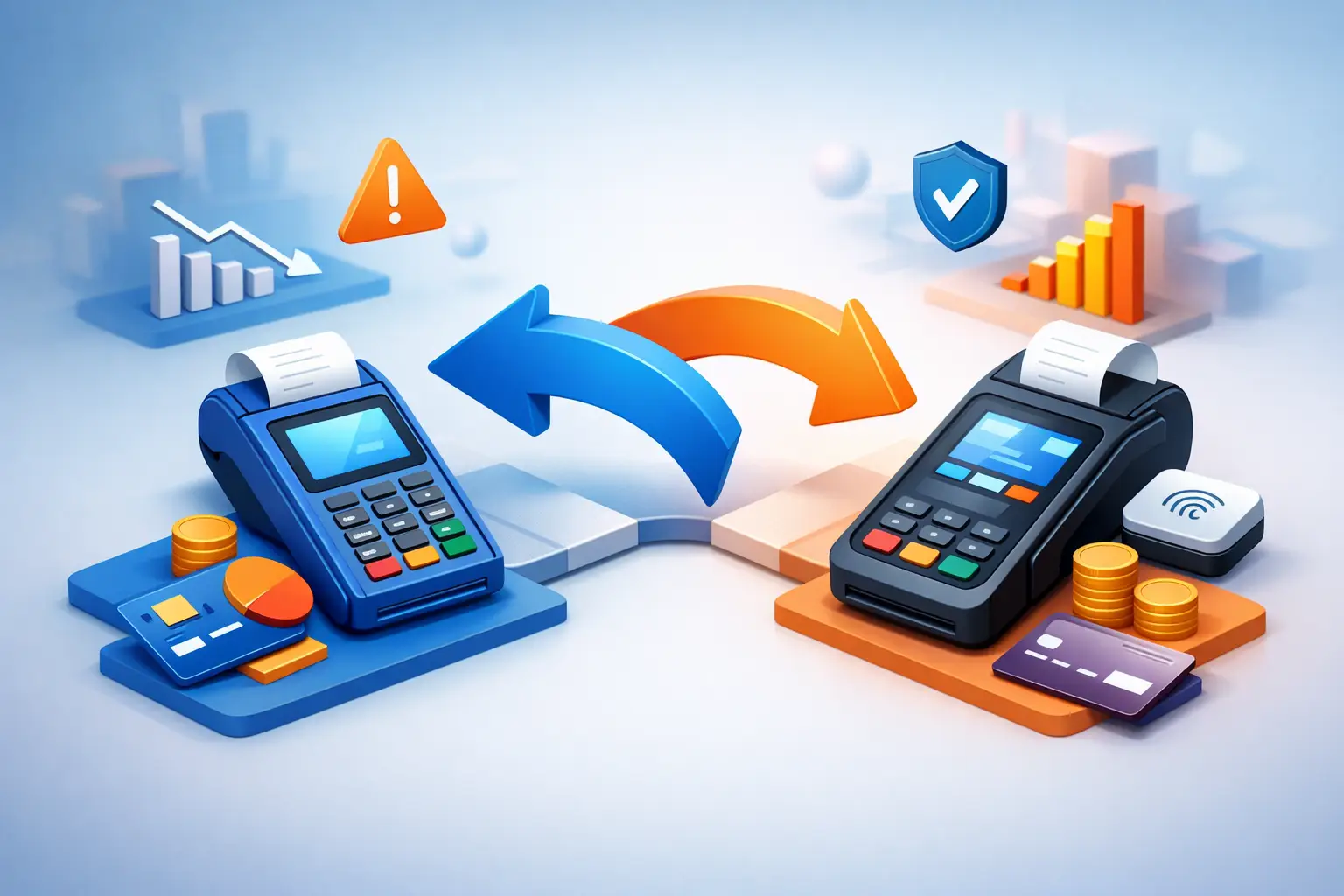
A payment processing statement can look fine at a glance while quietly taking more from every sale than it should. If you are considering whether to switch merchant service provider, the right decision is not simply about finding the lowest advertised rate. It is about understanding what you pay, how your equipment works, what your customers experience at checkout, and whether your provider can support your business when something goes wrong.
For a restaurant during a Friday dinner rush, a dental office collecting patient balances, or an auto repair shop taking deposits, payment acceptance is part of daily operations. A provider change should improve those operations, not create new problems. That is why a careful review matters before you sign anything.
Signs It May Be Time to Switch Merchant Service Provider
A rate increase is an obvious reason to take a second look, but it is not the only one. Many business owners do not realize their costs have changed until they compare several months of statements. Interchange rates, card brand fees, processor markups, monthly account fees, PCI-related charges, and equipment costs can all affect the true cost of accepting cards.
You may have a valid reason to review your setup if your monthly fees keep rising without a clear explanation, your statements are difficult to understand, or your provider cannot clearly explain what you are paying and why. Vague pricing is not a small issue. If you cannot identify your processor's markup, you cannot tell whether the pricing is competitive.
Support is another practical reason to consider a change. A terminal failure, batch issue, chargeback question, or POS outage can interrupt revenue quickly. If reaching help means long hold times, repeating your story to multiple departments, or waiting days for a response, the relationship may no longer fit your business.
Technology can also outgrow an account. A retail store may need better inventory reporting. A restaurant may need ordering, tipping, kitchen communication, and online ordering tools that work together. A home service company may need mobile payment acceptance and text-to-pay options. Keeping an old processor simply because it feels familiar can limit how efficiently your team works.
Do Not Switch Based on a Rate Quote Alone
A low percentage rate can be real, but it rarely tells the whole story. Payment processing is priced in different ways, and a quote that looks lower can include higher transaction fees, monthly minimums, gateway charges, statement fees, compliance fees, or equipment lease costs.
Ask for a clear explanation of the complete pricing model. A useful comparison identifies interchange and card brand costs separately from the processor's markup. It should also show per-transaction charges, monthly fees, annual fees, chargeback fees, PCI program costs, gateway fees, and any charges related to equipment or software.
The type of cards your customers use matters, too. A business with mostly debit card transactions may have a different cost profile than a medical practice that accepts rewards cards for larger balances. A provider should evaluate your actual transaction mix, not rely on a generic promise that it can save every business money.
There are cases where your current provider is already competitively priced and operationally sound. If so, switching may not be worth the disruption. Honest advice should include the possibility that staying put is the best financial decision.
Review Your Existing Agreement Before Making a Move
Before accepting a new proposal, find your merchant processing agreement and review the terms that can make a switch more expensive than expected. Focus on the contract length, automatic renewal language, cancellation requirements, early termination fees, and equipment obligations.
Some businesses are not using purchased equipment at all. They are in a long-term terminal lease that can continue even after the merchant account is closed. That distinction is easy to miss and can lead to an unpleasant surprise. If you lease equipment, determine the remaining term, total payment obligation, and whether the equipment can be used with another processor.
Also confirm who controls related services. Your POS system, payment gateway, online ordering platform, recurring billing tools, and customer data may have separate agreements. Changing the merchant account does not always mean these tools will move automatically.
A careful review does not mean every contract is a problem. It means you know the cost and timing of a change before it becomes urgent.
Compare More Than Processing Costs
The best payment solution balances cost, operational fit, customer experience, and support. A processor that saves a few basis points but creates checkout delays, confusing deposits, or unreliable reporting can cost more than it saves.
Start with how your team takes payments. Do you need countertop terminals, mobile devices, a full POS system, virtual terminal access, recurring payments, or payment links? Consider whether your staff can use the system confidently and whether it connects with the tools you already rely on.
Customer experience deserves equal attention. Tap-to-pay, digital wallets, clear receipts, online payment options, and reliable checkout can make a real difference. For service businesses, convenient payment tools can shorten the time between completing work and getting paid. For restaurants and retail stores, faster payment acceptance can keep lines moving during peak hours.
Reporting is another overlooked factor. Useful reports help business owners reconcile deposits, monitor sales, identify refunds, and manage staff activity. If your current system makes it hard to answer basic questions about daily transactions, a better technology fit may be more valuable than a minor rate reduction.
Consider Cash Discount and Dual Pricing Carefully
Businesses looking to reduce card acceptance costs often ask about cash discount and dual pricing programs. These programs can be effective when designed properly, but they are not a one-size-fits-all answer.
A compliant program requires clear customer disclosure, properly configured equipment or POS software, accurate receipts, and a pricing approach that fits the business. The customer should understand the price before payment, not discover an unexpected fee after the card is run.
The right approach depends on your industry, average ticket size, local competition, customer expectations, and checkout workflow. A repair shop, salon, or professional office may have different considerations than a quick-service restaurant. The goal is to protect profitability without damaging trust or creating a confusing payment experience.
Plan the Transition Before Closing Your Old Account
Once you decide to switch, timing and preparation make the difference. Do not close your existing merchant account until the new account is approved, equipment is tested, and your team understands the new process. You need a reliable way to take payments throughout the transition.
Before the change goes live, verify that deposits go to the correct bank account and that the new system handles tips, taxes, refunds, signatures, receipts, and reporting as expected. If you accept recurring payments, update stored payment credentials through the proper process. If you use a POS system, confirm that inventory, menu items, employee permissions, and integrations are ready.
Train the people who use the system every day. A short, practical training session can prevent avoidable mistakes at checkout. Staff should know how to run a sale, process a refund, handle a declined transaction, settle a batch if needed, and get support.
Keep your old statements and account records accessible after the switch. You may need them for reconciliation, chargebacks, tax reporting, or questions about a final deposit. It is also smart to monitor the first few weeks closely so small issues can be corrected before they affect customers.
Get an Independent Review of the Full Picture
A merchant services decision should not be driven by pressure, a teaser rate, or a claim that every business needs to change processors. It should begin with a review of your current statement, contract, equipment, software, payment workflow, and goals.
FeeFix Solutions helps San Antonio business owners evaluate the full payment picture before recommending a change. That may mean identifying unnecessary costs, replacing outdated equipment, improving checkout options, or confirming that the current provider remains the right fit.
The best time to review your payment setup is before frustration becomes an emergency. A clear comparison gives you the confidence to make a change when it serves your business, and the clarity to stay put when it does not.

