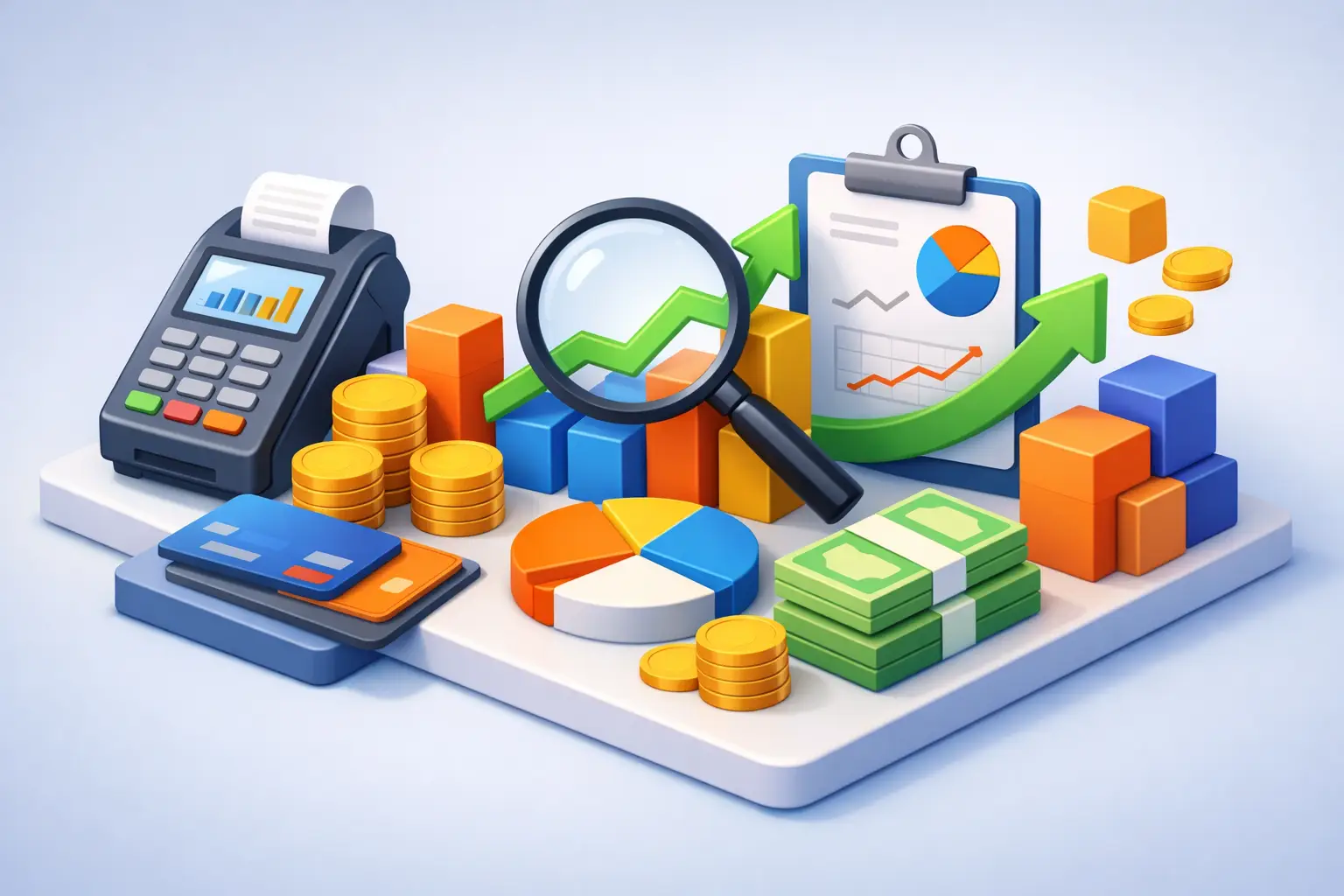
A business can have steady sales, a full schedule, and loyal customers while still giving away more profit than necessary. Payment costs, outdated equipment, manual processes, and unclear pricing can quietly reduce every transaction. Knowing how to improve merchant margins starts with looking beyond sales volume and identifying where money is leaving the business after the customer pays.
For many locally owned businesses, the fastest gains come from improving payment operations, not simply trying to sell more. The right approach depends on your industry, average ticket, card mix, customer expectations, and current merchant account. A restaurant, dental practice, auto repair shop, and retail store may all accept cards, but they should not automatically use the same pricing or payment setup.
How to Improve Merchant Margins Through Payment Operations
Payment processing is often treated as a fixed cost. It is not. While interchange rates are set by card brands and issuing banks, the total amount a business pays can be affected by processor markups, transaction types, equipment, gateway fees, PCI-related charges, and the way payments are accepted.
Start with a current merchant statement, not a sales quote. A statement shows what the business actually paid, including monthly fees that may be easy to miss. Look for items such as excessive per-transaction fees, nonqualified surcharges, annual fees, PCI fees, statement fees, batch fees, gateway charges, and equipment costs. Some charges are reasonable. Others may be outdated, duplicated, or disconnected from the services the business actually uses.
The goal is not to choose the processor with the lowest advertised rate. A low headline rate can look attractive while leaving out required fees or applying only to a narrow set of transactions. Compare the effective rate instead: total processing cost divided by total card sales. Then review why that rate is what it is.
A transparent review should also consider contract terms. If a processor requires expensive equipment leases, has an early termination fee, or makes it difficult to access support, a modest monthly savings may not justify the disruption. Better margins come from a solution that remains practical over time, not a short-term rate promise.
Reduce avoidable transaction costs
The way a card is accepted affects cost and risk. In-person chip or tap payments generally provide better data and stronger security than manually keyed transactions. For a service business that regularly takes payments by phone, using a secure virtual terminal and collecting the right information can help reduce unnecessary risk and operational mistakes.
Businesses should also make sure their merchant category code, transaction settings, and account configuration match how they operate. For example, a medical office, golf course, or repair shop may have needs that differ from a typical retail store. Incorrect setup can create reporting problems, limit useful features, or add costs that do not serve the business.
The answer is not always to switch processors. If the current account has fair pricing, reliable support, and technology that fits the operation, keeping it may be the right decision. The value of a payment review is getting a clear answer before making a change.
Review Your Pricing Strategy Carefully
Merchant margins are shaped by what the business charges as well as what it pays. If labor, inventory, rent, and payment acceptance costs have risen but prices have not been reviewed, the business may be absorbing costs that should be reflected in its pricing.
A thoughtful price review does not mean raising every price by the same amount. Look at profitability by service, product category, and customer type. A tire store may find that certain low-margin services need a pricing adjustment, while a salon may see more opportunity in packages, memberships, or retail add-ons. Restaurants may need to account for takeout packaging, online ordering fees, and different payment patterns between counter service and table service.
Small changes can matter when they apply across hundreds or thousands of transactions. The key is to make pricing decisions intentionally, with a clear understanding of the margin each sale produces.
Consider cash discount or dual pricing programs
For some businesses, a compliant cash discount or dual pricing program can reduce the amount of card processing expense absorbed by the business. These programs are not a fit for every merchant, and they should never be implemented as a surprise charge at checkout.
A compliant program requires clear customer communication, properly displayed pricing, correct terminal and POS configuration, and a structure that aligns with card brand rules and applicable requirements. The customer experience matters. If staff cannot explain the program or signage is unclear, the business may create confusion that outweighs the savings.
This is where industry context matters. A high-volume auto repair shop or retail business may be comfortable with clearly posted cash and card prices. A medical practice or professional service firm may decide that keeping the payment experience simple is more valuable than passing along part of the processing cost. There is no universal answer. The right choice balances potential savings with customer expectations and the business's brand.
Use POS Technology to Protect Profit
An outdated terminal can cost more than its purchase price. Slow checkout, payment errors, manual ticket entry, limited reporting, and disconnected systems create labor costs that do not always appear on a merchant statement.
A modern POS system can help a business track sales by department, employee, service, or location. For restaurants, this may mean better order accuracy, easier tip management, and more useful reporting. For retail stores, it can mean cleaner inventory controls and faster returns. For service businesses, integrated invoicing, text-to-pay, recurring billing, or digital receipts may reduce administrative work and help payments arrive sooner.
Technology should solve a real operating problem. A POS system with dozens of features is not automatically better if the team uses only a few and finds the system difficult to operate. Before upgrading, ask which tasks take too long, where errors occur, what reporting is missing, and how customers prefer to pay.
Make checkout easier for customers and staff
Checkout friction can affect both revenue and margins. Long lines, unreliable terminals, confusing surcharges, or a cumbersome payment process can lead to abandoned purchases and frustrated customers. They also place extra pressure on employees during busy periods.
Offer the payment methods customers reasonably expect, including chip, tap, mobile wallet, invoice payment links, or stored payment methods when appropriate for the business. At the same time, avoid paying for features that do not fit the operation. A home service company may benefit more from mobile payment acceptance and text-to-pay than from a full countertop retail POS. A busy café may prioritize speed and order flow.
Staff training is part of the financial return. Employees should know how to process refunds, handle declined cards, explain payment options, close batches, and respond when a terminal loses connectivity. Preventing a few avoidable errors each week can improve the customer experience and reduce revenue leakage.
Improve Merchant Margins by Measuring What Matters
Business owners should not have to wait until tax season to learn whether payment costs are rising. Establish a simple monthly review that compares card sales, total processing cost, effective rate, average ticket, refunds, chargebacks, and payment method mix.
If a number changes sharply, ask why. A higher effective rate may be caused by more rewards cards, more keyed transactions, a new online sales channel, or a fee change. Higher refunds may point to service issues, order-entry errors, or unclear policies. A rise in chargebacks deserves prompt attention because disputes can create direct costs and potential account risk.
Track operational measures alongside payment data. For example, a repair shop could monitor average repair order, deposits collected before work begins, and days to payment. A dental office may track balances collected at the time of service versus balances that require follow-up. These measures connect payment decisions to real cash flow and profitability.
Avoid Cost-Cutting That Hurts the Business
Not every expense should be eliminated. The cheapest processor may provide limited support when a terminal fails on a Saturday. The least expensive POS may lack reporting that helps control labor or inventory. A poorly explained cash discount program may save fees while damaging trust with customers.
The better question is whether each payment expense produces value. Reliable equipment, responsive support, clear reporting, fraud controls, and a better checkout experience can protect revenue even when they are not the lowest-cost option on paper. Margin improvement is about reducing waste while preserving the parts of the customer experience that keep people coming back.
For San Antonio business owners, a detailed payment review can turn a vague expense line into a practical action plan. Start with the numbers, evaluate the customer impact, and make changes only where they support the way your business actually operates. The best payment solution is not the one with the loudest savings claim. It is the one that helps you keep more of each sale without creating new problems for your customers or your team.

