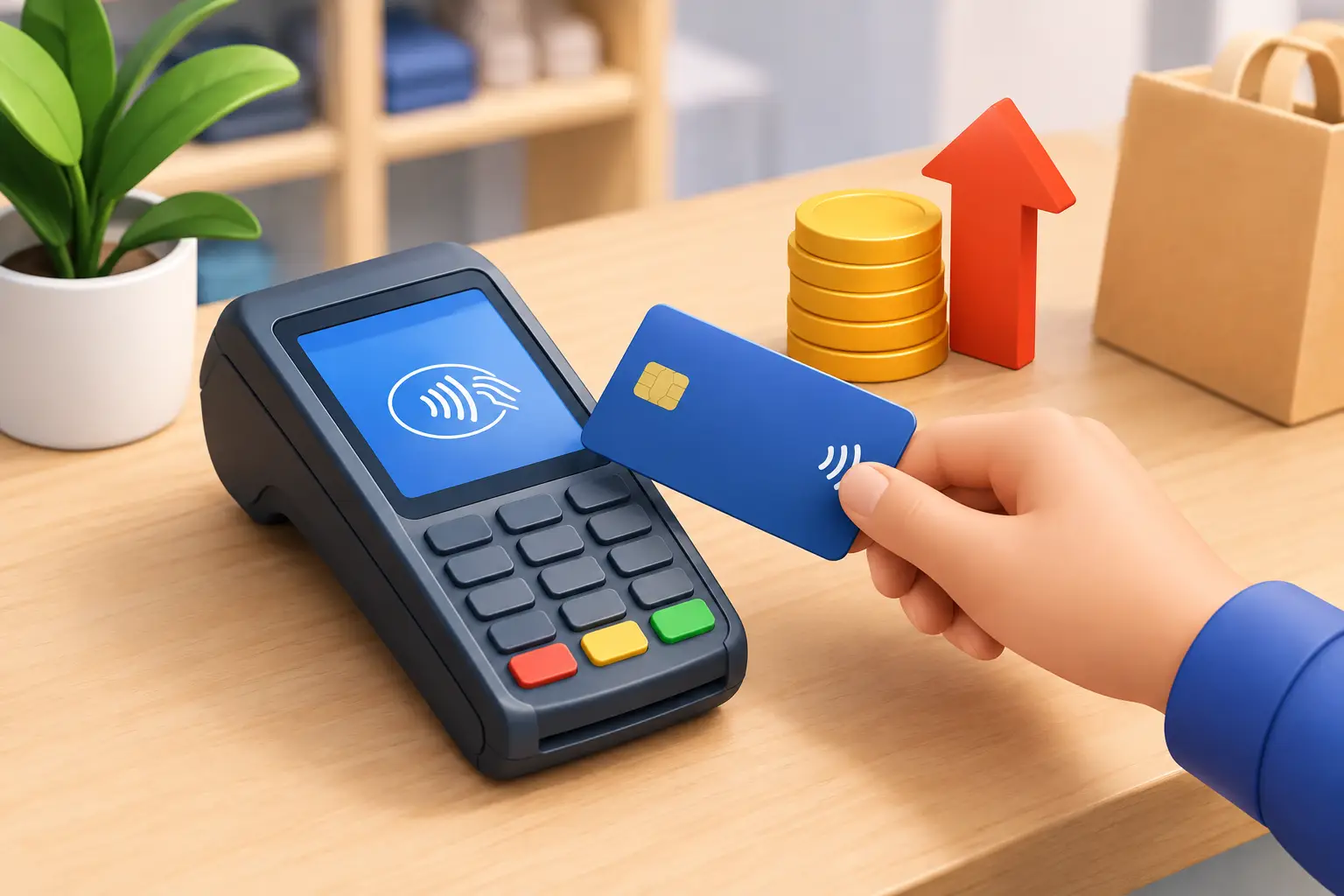
Every card payment has a cost, and for a busy restaurant, auto shop, dental office, or retail store, that cost can add up quickly. So, can businesses surcharge credit card payments? In many cases, yes. But a surcharge program must be structured correctly before it is presented to customers.
A poorly planned program can create customer frustration, violate card-network requirements, or expose a business to unnecessary compliance problems. A clear, compliant approach can help a business recover a portion of its credit card acceptance costs while giving customers a transparent choice at checkout.
Can Businesses Surcharge Credit Card Payments in Texas?
For many San Antonio businesses, adding a surcharge to eligible credit card transactions can be an option. The answer depends on the payment type, applicable laws, card-brand rules, and how the fee is disclosed to customers.
The first distinction is the most important: a credit card surcharge cannot be applied to debit card transactions. That includes debit cards run with a PIN and many debit cards processed without a PIN. The fact that a debit card carries a Visa or Mastercard logo does not make it eligible for a credit card surcharge.
Federal law prohibits surcharges on debit and prepaid card transactions. Card networks also set rules for credit card surcharging, including how much may be charged, when notices must be provided, and how the fee appears at checkout and on the receipt.
Because rules can change and state-specific requirements may affect a program, businesses should not rely on an old online article or a processor's quick sales pitch. A merchant account and payment setup should be reviewed before any surcharge program goes live.
A Surcharge Is Not the Same as a Cash Discount
Business owners often hear the terms surcharge, cash discount, and dual pricing used interchangeably. They are related, but they are not the same program.
A credit card surcharge adds a disclosed fee when a customer chooses an eligible credit card. The advertised price is the base price, and the surcharge is added to qualifying card purchases.
A cash discount program typically posts the card price and gives customers a discount when they pay with cash. A properly structured cash discount rewards a lower-cost payment method rather than adding a fee to a card transaction.
Dual pricing displays both the cash price and card price upfront. For example, an auto repair shop might show a $100 cash price and a $103 card price. Customers see the difference before choosing how to pay.
Each approach can reduce a business's net card processing expense. The right fit depends on the business model, average ticket size, customer expectations, point-of-sale capabilities, and the way prices are already displayed. A coffee shop with many small transactions may handle the conversation differently than a medical practice or home service company collecting larger balances.
The Rules That Matter Most
A compliant surcharge program is not simply a terminal setting. It is a customer-facing pricing decision with operational and technical requirements.
Debit Cards Must Be Excluded
This is where many businesses make their biggest mistake. A surcharge should apply only to eligible credit cards, never debit or prepaid cards. Your payment terminal or POS system needs to identify the card type correctly and apply the fee only where permitted.
Manual workarounds are risky. Asking staff to guess whether a card is debit or credit creates inconsistent checkout experiences and can lead to improper charges. The payment technology should handle the distinction automatically.
The Fee Must Stay Within Allowed Limits
Card-network rules generally limit a credit card surcharge to the merchant's actual cost of acceptance, subject to network caps. A common maximum is 3% for many programs, but the permitted amount and calculations should be confirmed for your setup.
The objective is cost recovery, not creating a new profit center. A business that applies a flat fee without considering its actual processing rate may charge too much or leave savings on the table. Reviewing processing statements is the practical starting point.
Customers Must See Clear Notices
Customers should not discover a card fee after the transaction has already been completed. Clear notice is expected at the entrance or point of sale, at online checkout when applicable, and on the receipt.
The wording should be easy to understand. Customers need to know that a fee applies to credit card payments, that debit cards are not surcharged, and what they can expect to pay. Transparent signage protects the customer experience and gives employees a simple, confident answer when questions arise.
Card Networks and Your Processor May Require Advance Notice
A merchant may need to register or provide advance notification before beginning a surcharge program. The requirements can differ by card brand and processor. Your payment provider should help complete the required steps and ensure the terminal, POS system, gateway, and receipt format are configured correctly.
If a provider says, “Just turn it on,” without discussing debit handling, notices, card-brand requirements, or your current pricing, that is a reason to slow down and ask more questions.
When Surcharging Makes Business Sense
Surcharging can be a practical choice when credit card fees are materially affecting margins and customers have reasonable alternatives at checkout. Businesses with larger average tickets often feel the impact most clearly. Auto repair facilities, dental practices, medical offices, home service companies, and professional service firms may be strong candidates when card acceptance costs are significant.
It can also help businesses that have been absorbing processing fees for years without adjusting prices. Rather than raising prices across the board, a surcharge program places the additional cost with customers who choose an eligible credit card payment.
That does not mean every business should surcharge. A salon, café, neighborhood restaurant, or specialty retailer may decide that a visible card fee creates more friction than the savings justify. In competitive markets, customer perception matters. If the checkout experience feels confusing or punitive, the program can cost more in goodwill than it saves in processing fees.
The best question is not, “Can we add a fee?” It is, “Will this approach improve profitability without hurting the customer relationship?”
Start With the Customer Experience
A compliant program can still be a poor fit if customers do not understand it. Before making a change, consider how people pay, how frequently staff handles payment objections, and whether pricing is already communicated clearly.
For a business that accepts appointments, estimates, invoices, or deposits, transparency can begin before the customer reaches the terminal. A service business can explain accepted payment methods and card pricing in its payment policy, on invoices, and at checkout. That is far better than surprising a customer after the work is complete.
Staff training also matters. Employees do not need a legal script, but they should be able to explain the program in plain language: credit card payments include a disclosed processing fee, while cash and debit payments do not. If staff are uncertain, customers will be uncertain too.
Review Your Current Processing Costs First
Many businesses consider surcharging because they are frustrated with processing fees, but a surcharge is only one solution. Your current merchant account may include avoidable charges, inflated interchange markups, unnecessary monthly fees, outdated equipment costs, or a payment setup that does not match how your business operates.
A statement review can show the true cost of accepting payments and identify whether a pricing change is warranted. In some cases, negotiating better processing terms or updating the POS system can lower costs without changing customer-facing prices. In others, a cash discount or dual pricing program may be more natural than a surcharge.
This is why the payment conversation should begin with the business, not with a preselected program. A restaurant has different operational needs than a chiropractic office. A tire store may need a terminal that manages both counter payments and larger invoices, while a home service company may need reliable mobile payment options.
Make the Decision With Compliance and Profitability in Mind
The right program should work at the counter, on the receipt, in your payment technology, and in the customer's mind. That means confirming card eligibility, setting the right fee, posting proper notices, completing any required registration, and testing transactions before launch.
FeeFix Solutions helps local businesses evaluate those details before recommending a surcharge, cash discount, dual pricing, or a simpler improvement to their merchant account. If your current setup is already serving your business well, that is useful to know too.
Before passing processing costs to customers, take the time to understand what you are actually paying and how the change will feel at checkout. A clear payment policy and the right technology can protect your margins without making customers feel blindsided.

